What These Operations Involve

Explained the way we explain it to you.

Three of the procedures in this track, shown the way we walk through them at consultation — without graphic imagery. The focus is what is removed, what is rebuilt, and how the result is made to last.

Fig. A · Excision
01

Removed completely, with a clear margin

Cancer is removed along with a rim of healthy tissue around it — the margin — so nothing is left behind. Imaging shows exactly where that border falls before we begin.

Fig. B · Free Flap
02

Living tissue, moved and reconnected

Healthy tissue and its blood vessels are taken from elsewhere on your body and reconnected under a microscope, so the reconstructed area heals as living tissue — not a graft that fades.

Fig. C · Reconstruction
03

Rebuilt and secured to last

Bone and soft tissue are rebuilt to restore the jaw, midface, or palate, then secured with a custom titanium framework that is planned in three dimensions before the day of surgery.

Illustrative schematics. Patient-specific 3D renderings are prepared individually for each surgical plan.

Who Operates

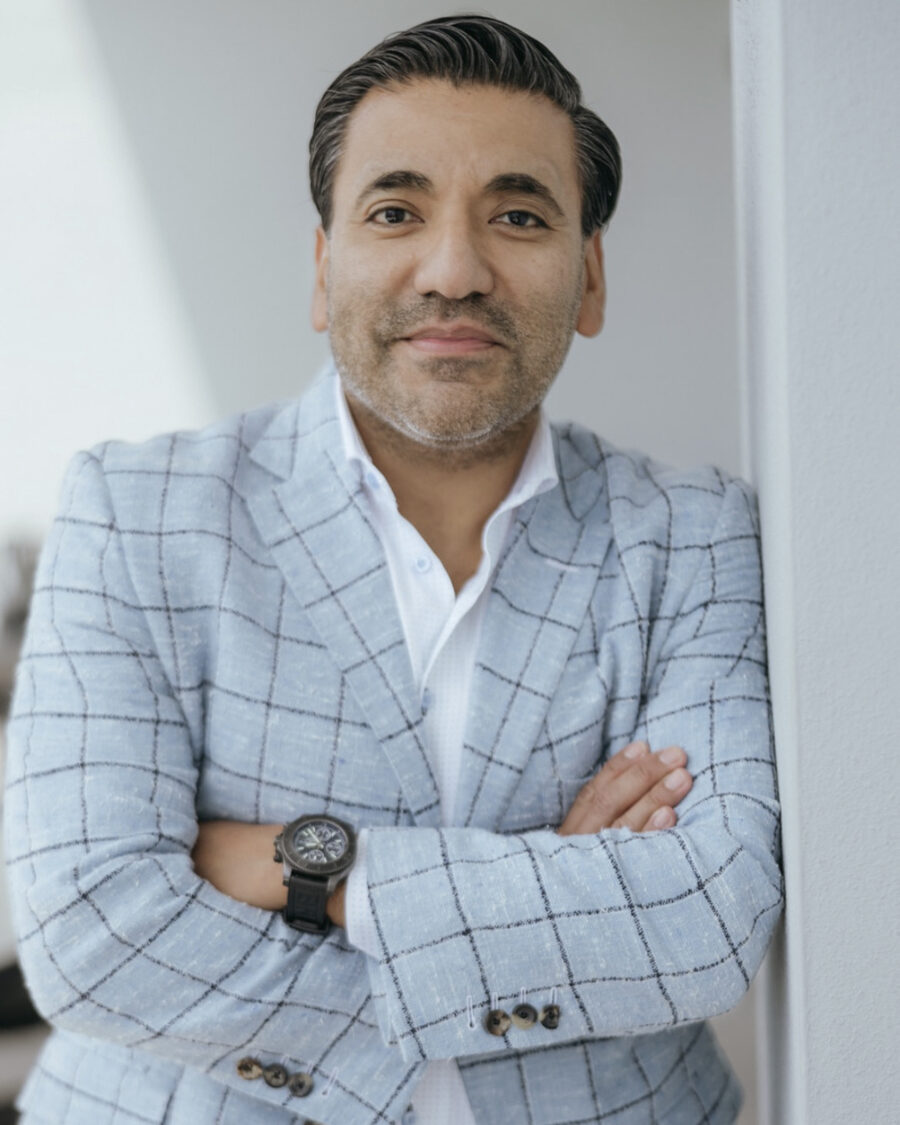
Carlos A. Ramirez, MD DDS FACS

All Track One procedures are performed by Dr. Ramirez, a board-certified oral and maxillofacial surgeon with MD-level training and a clinical focus at the most complex end of the surgical spectrum.

His referral base is oncologists, ENTs, and tumor boards — not general dentistry — and his case volume in microvascular reconstruction is rare for a private practice setting.

Read Dr. Ramirez's Bio
Portrait of Carlos A. Ramirez, MD DDS FACS

01

The Operation

Head & Neck Cancer Surgery

Surgical treatment of cancers of the tongue, floor of mouth, jaw, neck, throat, and salivary glands — from early-stage excision to complex multi-stage resection.

Who this is for

Patients with a confirmed or suspected diagnosis of head and neck cancer who have been referred by an oncologist, ENT, or tumor board. Patients often arrive with imaging and a pathology report; we begin from where you are.

What the patient can expect

A consultation that reviews your imaging in detail, a clear surgical plan presented in language you and your family can follow, and a single surgeon who will see you through from operation to recovery. When reconstruction is required, it is planned in the same conversation.

02

The Operation

Microvascular Free Flap Reconstruction

When cancer or trauma requires removal of bone or soft tissue, free flap reconstruction restores both appearance and function using the patient's own tissue, reattached under a microscope.

What this means

Tissue is taken from the leg (fibula), forearm, thigh, or back and transplanted with its blood supply intact. The vessels are reattached at a millimeter scale, allowing the new tissue to live as part of the reconstructed area.

Why it matters

Free flap reconstruction is the difference between losing function permanently and restoring it. It is the most technically demanding work in the field, and it requires a surgeon who performs it frequently.

03

The Operation

Jaw & Facial Reconstruction

Rebuilding the mandible, midface, or palate following oncologic resection, trauma, or developmental anomaly — using bone grafts, titanium plating, and custom implants.

How we plan it

Every reconstruction begins with three-dimensional CBCT imaging and, where appropriate, a custom-fabricated surgical guide. The plan is built around what the patient's life looks like after surgery, not just the operation itself.

Procedures included

  • Mandibular reconstruction following resection or trauma
  • Midface and palatal reconstruction
  • Le Fort procedures (I, II, III) for severe midfacial deformity
  • Bone-grafting in preparation for future implant rehabilitation

04

The Operation

Salivary Gland Surgery

Surgical removal of parotid and submandibular gland tumors, both benign and malignant, with careful preservation of the facial nerve.

What the patient can expect

Surgical planning is informed by CBCT and, when needed, additional imaging from outside specialists. The operation is technically delicate — the facial nerve runs through the parotid gland — and is performed with nerve monitoring throughout.

05

The Operation

Facial Tumor Excision

Surgical removal of benign and malignant tumors affecting the jaw, maxilla, and surrounding facial skeleton.

A note for referring physicians

We accept tumor board referrals and are accustomed to working in close coordination with medical and radiation oncology. For urgent oncologic referrals, please call our office directly rather than booking online.

If You Have Been Referred

You will not be passed between attendings. Dr. Ramirez will see you at consultation, perform your surgery, and follow you through recovery. For families navigating a new cancer diagnosis, that continuity matters more than almost anything else we offer.

Begin the Conversation

Request an appointment, or call our office.

If you have been referred urgently, please call us directly so we can prioritize your consultation.

Request an Appointment (586) 281-5615
Request an Appointment